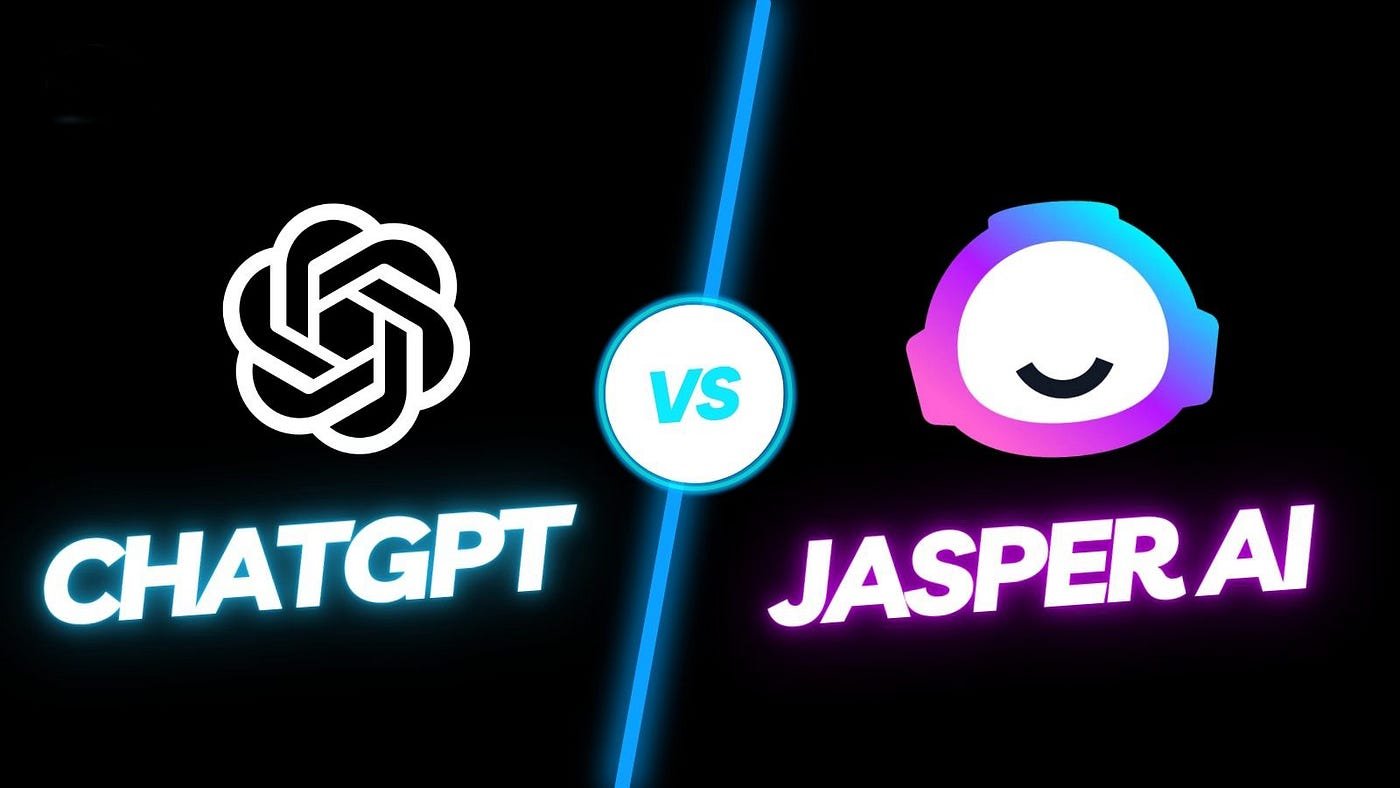
If you’ve been researching Jasper AI vs Copy.ai, you’ve probably already read a dozen comparison posts that look suspiciously like they were written by someone who never actually opened either tool. Spec lists, feature tables, and affiliate-heavy “verdicts” that somehow conclude both tools are equally great. I was frustrated by that too which is exactly why I decided to spend six months using both of them seriously, on real content, for real publishing deadlines.
I run a content-heavy blog in the digital marketing space. Also I publish two to three long-form articles per week, averaging around 2,000 words each. That’s a lot of writing. When AI writing tools started getting genuinely useful not just hype I knew I had to integrate them into my workflow or fall behind. So I did something most reviewers apparently don’t: I paid for both tools out of my own pocket, ran them through the same types of content, and kept detailed notes on what worked, what didn’t, and what quietly drove me insane over time.
This is that review. No fluff, no fence-sitting. By the end of this article, you’ll know exactly which tool belongs in your workflow and which one you can skip.
Quick Snapshot: What Are These Tools?
Before we get into the details, let me quickly set the scene for anyone who’s just starting to explore the AI writing space.
Jasper AI (formerly known as Jarvis, before a rebrand in 2021) is one of the oldest and most established players in the AI writing tool market. It was built primarily with marketing teams and long-form content creators in mind. Over the years it has evolved from a GPT-3 powered template engine into a full-featured content platform with brand voice training, document editing, SEO integrations, and even a browser extension. It positions itself as an enterprise-grade tool, and the pricing reflects that.
Copy.ai launched around the same time but took a different approach. It was always more focused on short-form marketing copy think ad headlines, product descriptions, email subject lines, Instagram captions. Over time it has expanded into longer content and added workflow automation features, but its DNA is still rooted in quick, snappy, conversion-focused writing.
When people search for Jasper AI vs Copy.ai, they’re often framing it as a direct competition. The reality is a little more nuanced these tools were built with different writers in mind, and that shapes everything from the interface to the output quality. But there is significant overlap, and if you’re deciding where to spend your subscription budget, the comparison is absolutely worth making carefully.
My Testing Setup How I Actually Used These Tools
I want to be upfront about my methodology here because it matters for how you interpret everything that follows.
Over six months, I used both tools to produce actual published content. I wasn’t just running demo prompts. I wrote full blog posts, product reviews, comparison articles, email newsletters, and social media copy using each platform. Where possible, I gave both tools identical prompts to compare outputs side by side.
My primary content type is long-form blog writing articles between 1,500 and 4,000 words targeting specific SEO keywords. This is also, coincidentally, the most demanding test for any ai writing tools for bloggers, because long-form content requires coherence, structure, depth, and a consistent voice over thousands of words not just a punchy one-liner.
I’m not affiliated with either company. No one comped my subscription. No one asked me to write this. I paid roughly $49 per month for Jasper’s Creator plan and used Copy.ai’s free tier before upgrading to their paid plan for two months when I wanted to fairly test premium features. I mention this not to brag about spending money, but because I think it’s the minimum bar for a credible review you have to actually use the tools.
Interface & Ease of Use First Impressions
The first thing I noticed when I signed up for Jasper was that it felt like walking into a proper office. The dashboard is organized, professional, and fairly busy. There are templates, a document editor, campaign tools, a brand voice section, and an integrations panel. For someone already familiar with content marketing tools, it made sense quickly. For a complete beginner, it might feel like there’s too much going on.
The document editor which is where you’ll spend most of your time as a blogger is genuinely good. It behaves like a smarter Google Doc, where you can write alongside the AI rather than just copy-pasting outputs. You can highlight a section, tell Jasper to rewrite it in a different tone, expand it, or summarize it. This felt natural within the first week, and by week three it was genuinely part of how I think about drafting.
Copy.ai’s interface is notably cleaner and more beginner-friendly. When you first log in, you’re greeted with a simple chat interface and a list of templates on the left sidebar. It feels approachable, almost playful, like a well-designed app rather than a business tool. The tradeoff is that it feels a little shallow once you’re past the basics. When I wanted to write a 3,000-word article from start to finish inside Copy.ai, the experience started to feel like forcing a Swiss army knife to do the job of a chef’s knife.
Content Quality The Real Test
This is the section you actually came for, so let me give it the space it deserves.
I ran the same experiment multiple times throughout my testing period: I gave both tools an identical prompt for a 1,500-word blog post, kept all variables the same, and compared the outputs. The topic I used most often was within my niche things like “how to write product reviews that convert” or “best SEO practices for affiliate bloggers.” These are topics I know well, which meant I could spot immediately when an AI was being vague, inaccurate, or just padding.
Jasper’s outputs on long-form prompts were consistently more structured and coherent. When I asked it to write a complete article section, it produced paragraphs that actually flowed into each other not just a list of loosely related sentences. The transitions were better. The depth of explanation was better. It was still AI writing, and it still needed editing, but it gave me something I could work with rather than something I had to completely rebuild.
Copy.ai’s long-form outputs had a different quality. They tended to be shallower, more repetitive, and occasionally circular saying the same thing three different ways without actually advancing the argument. For a 500-word section, this wasn’t always a problem. For a 2,000-word article, it became noticeable and annoying. I found myself rewriting more than I was editing, which defeats a large part of the purpose.
Where Copy.ai genuinely surprised me was in short-form tasks. When I asked it to write five variations of an email subject line, or three versions of a Facebook ad headline, the outputs were sharp, punchy, and surprisingly creative. It understood the difference between a click-bait hook and a benefit-driven hook. It varied the angle meaningfully across variants rather than just swapping one synonym for another. Jasper does short-form copy too, but Copy.ai has clearly invested more attention in that specific skill.
For ai tools for article writing, Jasper is the stronger performer and it isn’t particularly close. If your primary output is long blog posts, Jasper will save you more time and produce drafts that require less remedial editing.
SEO Features Does Either Tool Actually Help You Rank?
As someone who takes SEO seriously, this was a critical part of my evaluation.
Jasper has a native integration with Surfer SEO, one of the most respected on-page SEO tools available. When you’re writing in Jasper’s document editor with Surfer connected, you get a live SEO score panel on the right side of the screen showing you keyword density, recommended terms to include, word count targets, and a competitive analysis based on the top-ranking pages for your target keyword. I used this feature extensively during my testing period, and I can say with confidence that it changes how you write in a good way. It keeps you focused on what Google is actually rewarding, and it gives you real-time feedback as you write rather than an audit after the fact.
Copy.ai has some SEO-oriented templates things like “SEO Blog Post” or “Blog Intro with Keyword” but these are essentially just prompts that remind you to include a keyword. There’s no live scoring, no integration with external SEO tools (at least not at the plan levels I tested), and no structural guidance based on competitive data. You can write SEO-friendly content in Copy.ai, but you’re doing it manually and relying on your own knowledge of SEO principles rather than data-driven feedback.
My actual results: Over the four months that I used Jasper with Surfer integration for new content, I saw a measurable improvement in first-month rankings compared to my pre-AI baseline. I’m not going to claim a specific percentage improvement because there are too many variables involved, but the directional trend was clearly positive. I attribute most of that to being more intentional about keyword coverage and content depth which the Surfer integration pushed me toward.
Head-to-Head Comparison Table
| Feature | Jasper AI | Copy.ai |
| Best For | Long-form blogs, content teams | Short copy, beginners, solo creators |
| SEO Integration | Yes native Surfer SEO integration | No native integration |
| Templates Available | 50+ | 90+ |
| Pricing (Entry Paid Plan) | ~$49/month | ~$49/month (free plan available) |
| Free Plan | No (free trial only) | Yes |
| Tone / Brand Voice Training | Strong (Brand Voice feature) | Basic |
| Long-form Content Quality | ⭐⭐⭐⭐⭐ | ⭐⭐⭐ |
| Short-form Copy Quality | ⭐⭐⭐⭐ | ⭐⭐⭐⭐⭐ |
| Ease of Use for Beginners | Medium | Easy |
| Team Collaboration | Yes (higher plans) | Yes |
| Browser Extension | Yes | No |
| Workflow Automation | Limited | Yes (newer feature) |
| Learning Curve | 1–2 weeks to feel fluent | 1–3 days |
| Support Quality | Strong docs + chat support | Good docs, community-heavy |
Pricing Is It Worth the Money?
Both tools sit at a similar price point at the entry level, which makes the comparison more interesting. Let me walk you through what you actually get.
Jasper’s Creator plan, which runs around $49 per month when billed monthly, gives you one user seat, unlimited word generation (a relatively recent change it used to be credit-based), access to all templates, the document editor, and basic brand voice functionality. The Surfer SEO integration requires a separate Surfer subscription, which starts at around $49 per month on its own. So if you want the full SEO-powered Jasper experience, you’re looking at closer to $100 per month total. That’s real money, and it’s worth acknowledging.
Copy.ai has a legitimate free tier that includes a limited number of runs per month, access to most templates, and the chat interface. For bloggers who are just getting started with AI writing tools, the free tier is a genuinely useful on-ramp. The paid plan at $49 per month unlocks unlimited runs, access to newer features, and workflow automations.
In terms of pure value for money for long-form blogging, I think Jasper justifies its cost but only if you’re publishing consistently and generating enough content volume that the time savings translate into real economic value. If you publish one blog post per week and aren’t in a rush, Copy.ai’s free or low-cost tier might be all you actually need.
Where Jasper AI Wins
Let me be specific about the scenarios where Jasper is the clear choice, based on my actual usage.
The most significant advantage is in long-form content coherence. When I used Jasper to draft a 3,000-word article, the AI maintained the thread of the argument across sections in a way that Copy.ai consistently failed to do. Ideas built on each other. Examples were introduced and then referenced again later. The writing felt like it was going somewhere, rather than wandering from paragraph to paragraph hoping to hit a word count.
The brand voice training feature is also genuinely impressive and something I came to rely on. You can feed Jasper sample content from your existing blog ideally ten or more posts and it builds a profile of your tone, vocabulary patterns, and stylistic tendencies. Once trained, Jasper’s outputs sound noticeably more like you. This isn’t perfect; it still sounds like AI on a first draft, but it’s calibrated AI that requires less heavy editing to sound natural.
For content teams rather than solo bloggers, Jasper also wins on collaboration features. Higher-tier plans allow multiple users to share a workspace, access the same brand voice settings, and maintain consistency across a team’s content output. If you’re managing a content team and want to standardize quality and tone, Jasper has built real infrastructure around that need.
In the Jasper AI vs Copy.ai comparison specifically for serious bloggers, Jasper wins the long-form content category without much contest.
Where Copy.ai Wins
Copy.ai is not the loser in this comparison it’s just a different kind of winner.
If your content mix includes a significant amount of short-form copy, Copy.ai is genuinely better. Email subject lines, product descriptions, social media posts, ad copy, landing page headlines all of this is where Copy.ai has clearly focused its development energy, and it shows in the quality of outputs. The variations are more creative, the hooks are sharper, and the tool seems to understand conversion-oriented writing at a deeper level.
The free plan is also a real differentiator. For bloggers who are testing the waters with AI writing, Copy.ai lets you build familiarity with AI-assisted writing without any financial commitment. You can develop your prompting instincts, figure out where AI helps versus hurts your workflow, and make a more informed decision about paid tools down the line.
Copy.ai has also invested significantly in workflow automation the ability to string together sequences of AI tasks that run with minimal manual input. If you run a content operation that involves lots of repurposing (turning blog posts into social content, newsletters into thread format, etc.), these automations can save meaningful time. This is an area where Jasper hasn’t caught up as meaningfully.
Who Should Use Which Tool?
Based on my six months of hands-on experience, here’s my genuine recommendation:
If you are a blogger primarily writing long-form content of 1,500 words or more, focused on SEO, and publishing consistently enough to justify the cost use Jasper. The long-form content quality, brand voice training, and Surfer integration make it the superior tool for that specific use case. This recommendation holds whether you’re a solo blogger or managing a small content team.
If you are a freelancer doing a mix of content types blog posts alongside email copy, social media, ads, and other short-form deliverables Copy.ai may actually serve your overall needs better, especially given the free tier and the cleaner interface. You might even consider using both: Jasper for the long articles where quality really matters, and Copy.ai for the quick-turnaround short-form work.
If you’re a complete beginner exploring ai writing tools for bloggers for the first time and aren’t sure yet whether AI fits your workflow, start with Copy.ai’s free plan. Get your feet wet without spending money, figure out what you actually need, and upgrade from there.
My Final Verdict
After six months of real usage, I still have Jasper open in a tab every single working day. I let my Copy.ai paid subscription lapse after two months and reverted to the free tier, which I use occasionally for social captions and email drafts.
That tells you most of what you need to know about the Jasper AI vs Copy.ai decision for someone in my position a content-heavy blogger who lives and dies by long-form SEO articles.
But I want to end with an honest warning that applies to both tools: neither of them will make you a better writer. They’ll make you a faster writer, They’ll help you get a draft down when you’re staring at a blank page. They’ll give you angles and structures you might not have thought of on your own. But the quality of your final content still depends on your editorial judgment, your knowledge of the topic, and your ability to recognize when an AI output is shallow, wrong, or just boring.
The writers who get the most value from tools like these are the ones who use them as a starting point and a thinking partner not as a ghostwriter they trust blindly. Keep that in mind and either tool can genuinely improve your productivity. Lose that discipline and you’ll end up publishing mediocre content faster, which helps no one.
Try both. Use the trials and the free tiers honestly. Pay attention to where each one actually saves you time versus where it creates more editing work. Your workflow is specific enough that no review including this one can make the decision for you entirely.
Frequently Asked Questions
Is Jasper AI better than Copy.ai?
For long-form blog writing and SEO content, yes Jasper AI is the stronger tool. It produces more coherent, structured articles, supports brand voice training, and integrates with Surfer SEO for data-driven optimization. Copy.ai is better for short-form marketing copy like ads, emails, and social posts.
Which AI tool is best for blog writing?
Based on my personal experience, Jasper AI is the best tool specifically for blog writing, particularly long-form articles. The document editor, brand voice features, and Surfer SEO integration make it well-suited to the demands of consistent, SEO-focused blogging.
Is Copy.ai free to use?
Yes. Copy.ai offers a genuine free plan that includes access to most templates and a limited number of monthly runs. It’s one of the more usable free tiers in the AI writing space and a good starting point for bloggers who want to explore AI writing tools without financial commitment.
Can AI writing tools help with SEO?
They can but indirectly and only if used correctly. Tools like Jasper, especially when paired with Surfer SEO, help you write more comprehensive content that covers a topic thoroughly. That depth tends to align with what Google rewards. However, AI tools don’t replace proper keyword research, technical SEO, or link building. They’re one piece of a larger SEO strategy, not a shortcut to rankings on their own.
How much does Jasper AI cost compared to Copy.ai?
Both tools have entry-level paid plans around $49 per month. Copy.ai has an advantage in that it offers a functional free tier, while Jasper only offers a time-limited trial. For the full SEO-integrated Jasper experience, you’ll also need a Surfer SEO subscription, which adds to the monthly cost.
Also Read About :- Best AI Tools for Content Writing